Disclosure:Grip & Gait earns a commission when you buy through links on this page, at no extra cost to you. It never changes what we recommend or the order we rank things in — here is exactly how we’re funded.
The one fact that organizes this whole category
Pressure is force divided by contact area. Your body weight is the force in every case here and it does not change. What changes is how much of you touches the tool.
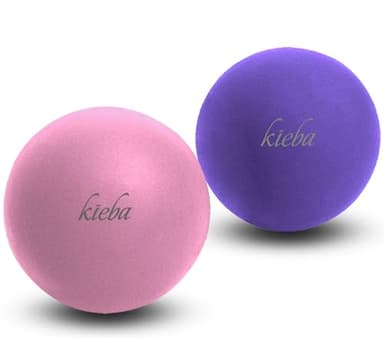
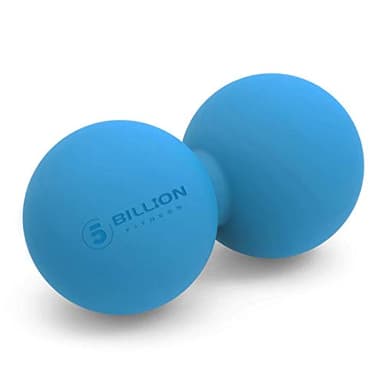
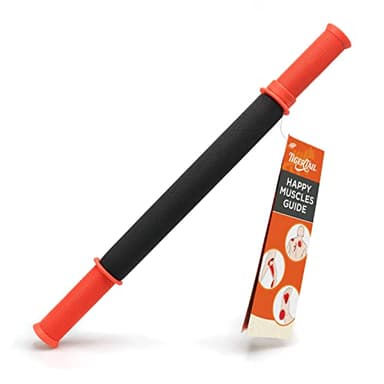
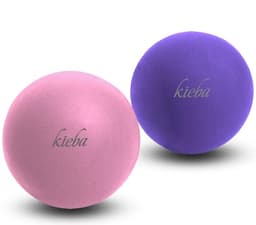
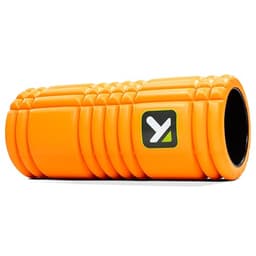
A foam roller contacts a strip several inches wide, so the same weight is spread thin. That makes it tolerable, fast across large muscles, and safe near bone. A ball contacts roughly a coin-sized patch, so the same weight becomes enormous local pressure — more than a motor rated at 44 lb of stall force produces through a larger head.
Everything else follows. Broad muscles — quads, hamstrings, lats, IT band — want the roller. Deep or awkward targets — glutes, under a shoulder blade, the arch of a foot — want the ball. Most people should own both, and together they cost less than one mid-range massage gun.
Density and length matter more than texture
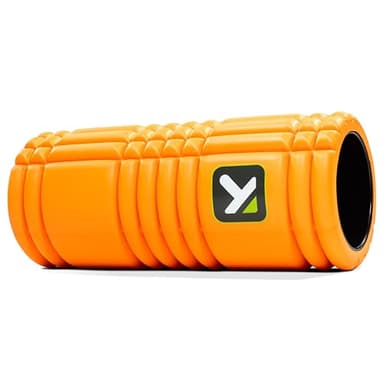
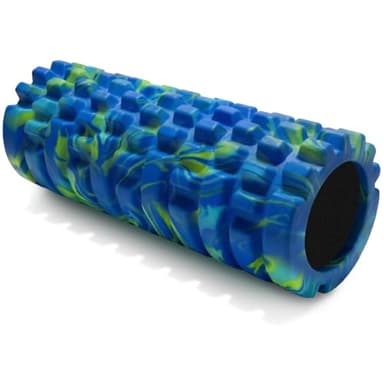
The visible difference between rollers is texture, and it is the least important one. A textured surface concentrates pressure into strips with gaps between them, which feels more intense and helps you find a specific band. Useful, not decisive.
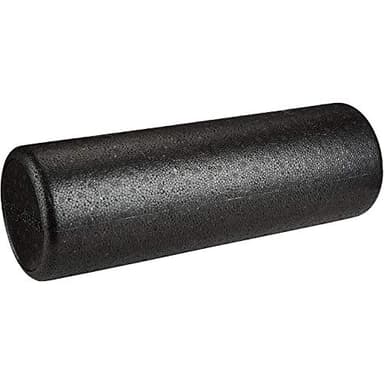
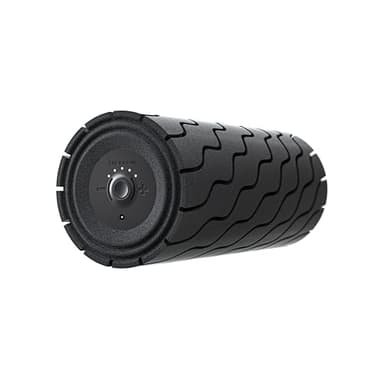
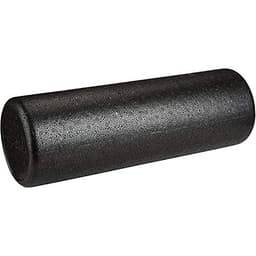
Density is decisive. A roller soft enough to compress under your weight has converted your body mass into deforming foam rather than pressure on muscle. Test it by pressing hard with a thumb: if it gives easily, it will give under you. Rigid-core rollers hold their shape indefinitely; solid EVA cylinders soften over a few years of heavy use and quietly stop working as well without ever obviously failing.
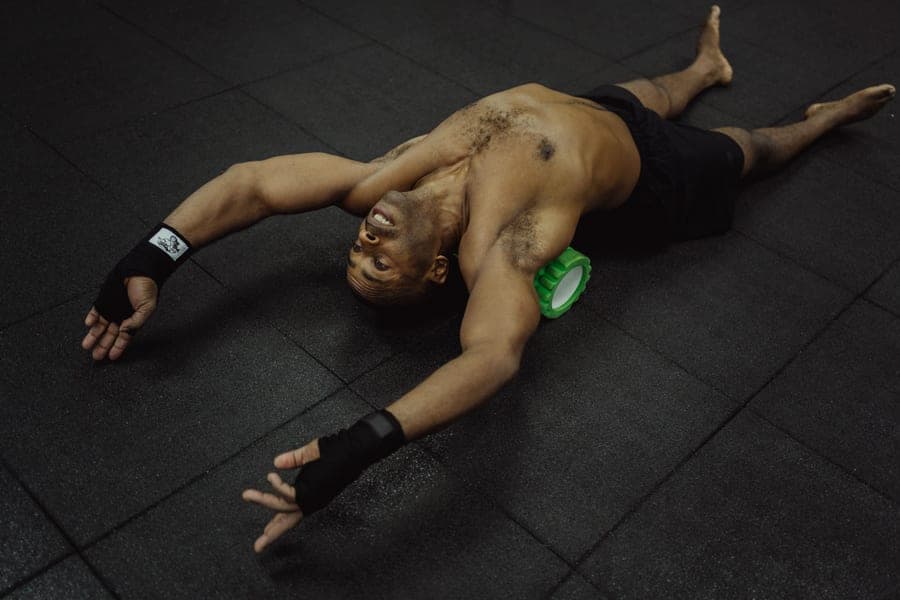
Length is under-discussed. An 18-inch roller is long enough to lie along your spine, which enables thoracic extension work — a mobility job no ball or gun can do at all. A 13-inch roller fits in a bag but cannot do that. Buy for the job you will actually do.
What the research supports
A study comparing foam rolling against percussive massage found both accelerated recovery of muscle properties disrupted by delayed onset soreness — and that neither significantly reduced pain compared with resting. A separate study examined massage gun and foam roller use during a warm-up in trained athletes, and a systematic review and meta-analysis supports a real effect of massage on perceived soreness after strenuous exercise.
Nothing we have found compares a roller directly against a ball. That comparison is mechanical reasoning from contact area, and we would rather label it as reasoning than dress it up as an experimental result. All sources are linked on the roller versus ball comparison.
The one thing not to do
Do not roll your lower back on a single cylinder. The lumbar spine has no bony protection behind it the way the thoracic spine has a rib cage, so the roller contacts bone directly — and it pushes the lower back into extension, which is the opposite of what most irritated lower backs want. Use a peanut-shaped ball so the gap straddles the spine. A roller across the upper back is a completely different and genuinely useful thing.