Rollers & Balls
Foam Roller vs Massage Ball
One geometric fact settles almost every version of this question: a roller spreads your body weight across a wide contact strip, and a ball concentrates the same weight into roughly a square inch. Everything else follows from that.
By Stephen V.Published
Disclosure:Grip & Gait earns a commission when you buy through links on this page, at no extra cost to you. It never changes what we recommend or the order we rank things in — here is exactly how we’re funded.
Quick picks
Ranked on published manufacturer specs and what they mean for the job, not on testing we have not done. Tap a row for the full reasoning. How we score.
| # | Product | Best for | Score | Price |
|---|---|---|---|---|
| 1 |  Kieba Massage Lacrosse Balls The highest work-per-dollar tool on this site. More local pressure than any motorized device can generate. | Concentrated pressure, anywhere | 8.8 | $7.99 · View on Amazon Price as of October 21, 2026. #ad How we’re funded |
| 2 |  TriggerPoint GRID Foam Roller (13 in) Multi-density surface concentrates pressure in strips rather than spreading it flat. Hollow core will not go soft. | Broad muscle, textured | 8.4 | |
| 3 |  Amazon Basics High-Density Foam Roller (18 in) Does the actual mechanical work. Nothing to break, and long enough to lie along your spine. | First roller, lowest cost | 8.0 | $15.29 · View on Amazon Price as of October 21, 2026. #ad How we’re funded |
| 4 |  5BILLION Peanut Massage Ball The waist between the lobes straddles the spine, so pressure lands on muscle and not on bone. | Either side of the spine | 8.1 | |
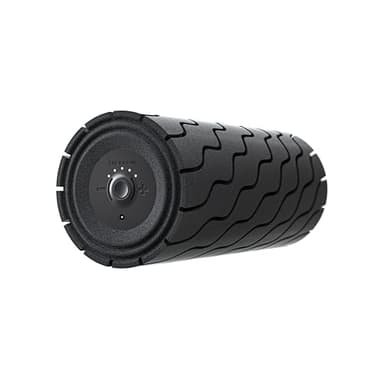
| ✕ |  Therabody Wave Roller A premium vibrating roller is not the answer to 'roller or ball'. It is the most expensive way to apply pressure to a quad that exists. Skip this | Nobody choosing between these two | 6.4 | $179.99 · View on Amazon Price as of October 21, 2026. #ad How we’re funded |
The answer in one table
Pressure is force divided by area. Your body weight is the force in both cases and it does not change. What changes is the contact area — a roller touches a strip several inches wide, a ball touches a patch about the size of a coin. Same weight, radically different pressure.
| What you are treating | Winner | Why |
|---|---|---|
| Quads, hamstrings, lats | Foam roller | Broad muscle, broad tool. A ball would take twenty minutes to cover what a roller covers in two. |
| Glutes and piriformis | Massage ball | Deep and awkwardly shaped. Sitting on a ball reaches it; a roller skates over the top. |
| Under the shoulder blade | Massage ball | A roller physically cannot get in there. A ball against a wall can. |
| Plantar fascia / arch | Massage ball | The arch is a curve. A cylinder bridges it and touches the ball of the foot and heel instead. |
| IT band | Foam roller | A long strip down the outside of the thigh. A ball is a needlessly brutal way to do it. |
| Calves | Either | Roller for the whole length; ball for a specific spot inside the belly. |
| Either side of the spine | Peanut ball | The gap straddles the bone. A single ball rolls onto the spine, which is exactly what you must not do. |
| Upper trapezius / neck | Massage ball | Small, curved, close to bone. A roller is the wrong shape entirely. |
| Mid-back mobility | Foam roller | Lying across a roller extends the thoracic spine, which is a mobility drill rather than a massage. |
Why the ball is the more powerful tool
This surprises people. A foam roller looks like the serious equipment and a rubber ball looks like an afterthought, but the ball generates far more pressure per square inch — more, in fact, than any handheld percussion device, because your entire body weight is doing the work instead of a motor rated at 44 lb of stall force.
Lie on a lacrosse ball placed under a glute and you are loading a coin-sized area with a substantial fraction of your body mass. No massage gun can produce that. What the gun offers is repetition and reach, not force.
The corollary is that a ball is much easier to overdo. Ninety seconds is a session. People who tell you they hate massage balls almost always spent eight minutes on their first one.
Where the roller genuinely wins
- Coverage per minute. A quad is a large muscle. A roller covers it in a handful of passes; a ball would take a quarter of an hour.
- Tolerable intensity. Broad pressure is far less unpleasant, which matters because the tool you actually use beats the tool that works better in theory.
- Mobility, not just pressure. Lying lengthwise or crosswise on a roller uses it as a fulcrum to extend the thoracic spine or open the chest. That is a completely different job and a ball cannot do it at all.
- Safety near bone. A roller distributes load; a ball concentrates it. Near a rib, a hip bone or a spine, the roller is the forgiving option.
Texture and density: what actually changes
A plain high-density cylinder and a textured roller do the same mechanical job with different pressure distribution. The raised sections of a textured roller concentrate load into strips with gaps between them, which feels more intense and lets you find a specific band — an IT band, for instance — without the full-width blanket pressure of a smooth roller.
Density matters more than texture. A soft roller that compresses under your weight has converted your body mass into deforming foam rather than pressing on muscle. The rigid-core rollers hold their shape; solid EVA softens over a few years of heavy use and quietly stops working as well without ever visibly failing.
Length matters too, and it is under-discussed. An 18-inch roller is long enough to lie along your spine, which enables the thoracic extension work. A 13-inch roller is not, but it fits in a bag. Buy for the job you will actually do.
What the research supports
Both tools sit under the same broad heading of self-myofascial release, and the evidence for that heading is real but modest. A study comparing foam rolling against percussive massage for muscle recovery found both accelerated recovery of the muscle properties disrupted by delayed onset soreness — and that neither significantly reduced pain compared with resting.
A separate study on massage gun and foam roller use during a warm-up examined whether either improves performance in trained athletes. And a systematic review and meta-analysis of massage for delayed onset soreness supports a real effect on perceived soreness.
Nothing we can find compares a roller directly against a ball. That comparison is mechanical reasoning from contact area, not an experimental result, and we would rather say so than dress it up as evidence.
The honest recommendation
Buy both. Together they cost less than a mid-range massage gun and cover more ground than one does. If forced to pick a single tool, the ball is more versatile per dollar and reaches places nothing else does; the roller is the one you will use more often because it is pleasanter.
If you also want to know how either compares against a percussion device, that is massage gun vs foam roller and massage gun vs massage ball. The short version: for concentrated pressure the ball wins outright, and for reach without effort the gun does.
Every pick, in full
Specs below are the manufacturer’s own published figures, each linked to the page it came from. Where a maker does not publish a number, the table says so and names the page we checked — that absence is information too.
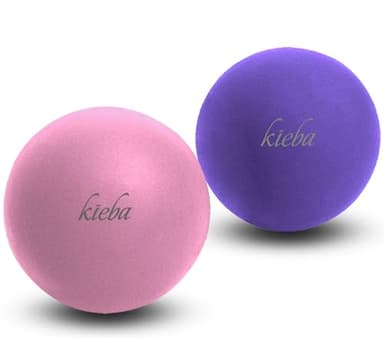
Price as of October 21, 2026. #ad How we’re funded
Kieba Massage Lacrosse Balls
The highest work-per-dollar tool on this entire site. A hard rubber sphere concentrates all your body weight into one square inch, which is more pressure than any handheld gun can generate.
What it gets right
- Concentrates body weight into a single point — more local pressure than any percussion device
- Nothing to charge, nothing to break, fits in a coat pocket
- Reaches under the shoulder blade against a wall, which a roller physically cannot
What it does not
- Unforgiving — very easy to overdo on a first session
- Wrong tool for broad surfaces like quads or lats
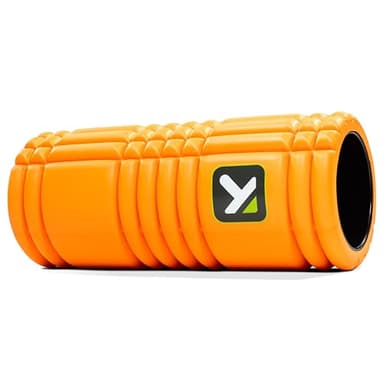
TriggerPoint GRID Foam Roller (13 in)
The multi-density surface is the reason to buy this over a plain foam cylinder: the raised sections concentrate pressure in strips instead of spreading it flat, which is what makes it usable on an IT band without needing to hold your breath.
What it gets right
- Hollow rigid core does not compress into a soft log the way plain EVA foam does after a year
- Multi-density surface gives you three pressure intensities on one roller
- 13 in length fits in a gym bag; the 26 in version does not
What it does not
- Costs roughly three times a plain high-density cylinder that also works
- The hollow core makes it noisier on a hard floor
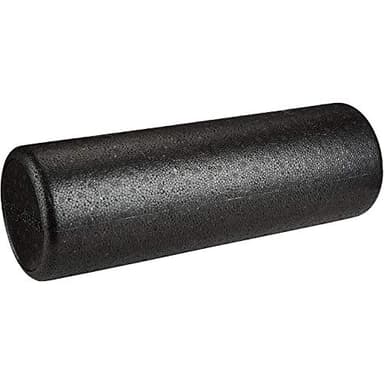
Price as of October 21, 2026. #ad How we’re funded
Amazon Basics High-Density Foam Roller (18 in)
A dense foam cylinder does the same mechanical job as a textured roller for a fraction of the money, and for a first roller that is the correct purchase.
What it gets right
- Does the actual mechanical work — sustained pressure across a broad contact area
- Nothing to break; no core, no seams, no electronics
- 18 in is long enough to lie along your spine, which the 13 in rollers are not
What it does not
- Flat surface spreads pressure rather than concentrating it
- Solid EVA softens over a few years of heavy use
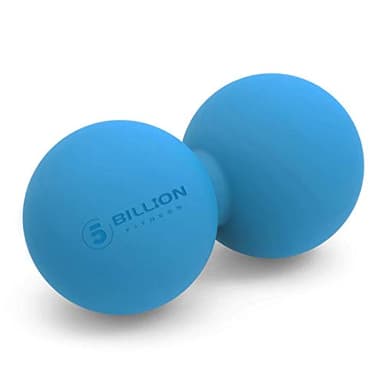
5BILLION Peanut Massage Ball
The waist between the two lobes straddles the spine, so you get pressure on the muscle either side of it and none on the bone — the specific problem a single ball cannot solve.
What it gets right
- Straddles the spine by design — the one shape that solves the paraspinal problem safely
- Works against a wall as well as on the floor
What it does not
- Too bulky for the foot arch
- The double lobe rolls awkwardly on carpet
Price as of October 21, 2026. #ad How we’re funded
Therabody Wave Roller
The wave-pattern surface plus vibration is a real combination, and it is also the most expensive way to apply pressure to a quad that exists.
What it gets right
- Wave surface works well on quads and lats
- Bluetooth-guided routines if you want them
What it does not
- Very expensive against a foam cylinder
- Heavy
Common questions
Is a foam roller or a massage ball better?
Neither in general; it depends entirely on contact area. Broad muscles — quads, hamstrings, lats, IT band — favor the roller because it covers ground quickly and is tolerable. Deep or awkward targets — glutes, under the shoulder blade, the arch of the foot — favor the ball because it concentrates your body weight into roughly a square inch. Most people should own both; together they cost less than one mid-range massage gun.
Can I use a lacrosse ball instead of a proper massage ball?
A lacrosse ball is a proper massage ball — it is dense rubber at roughly the right diameter, which is the whole specification. Purpose-sold massage balls at the same size and firmness are the same tool. Tennis balls are too soft and deform under load, so they spread pressure instead of concentrating it, which defeats the point.
How long should I spend on a massage ball?
Far less than you think. Around 60–90 seconds per spot is a session. A ball applies more pressure per square inch than any percussion device, and the most common first experience is doing eight minutes and deciding you hate massage balls. Start short.
What density foam roller should I buy?
Firm enough that it does not visibly compress under your weight. A soft roller converts your body mass into deforming foam instead of pressure on muscle. Rigid-core rollers hold their shape indefinitely; solid EVA cylinders soften over a few years of heavy use and quietly stop working as well without ever obviously failing.
Sources
- 1.Foam Rolling or Percussive Massage for Muscle Recovery: Insights into DOMS (PMC12286022)
- 2.Does Massage Gun or Foam Roller Use During a Warm-Up Improve Performance in Trained Athletes? (PMC12473898)
- 3.Massage Alleviates Delayed Onset Muscle Soreness after Strenuous Exercise: A Systematic Review and Meta-Analysis (PMC5623674)
- 4.Effects of Percussive Massage Treatments on Symptoms Associated with Eccentric Exercise-Induced Muscle Damage (PMC10915620)