Symptoms
Best Tools for Shin Splints
Shin splints are a load-management problem first and a soft-tissue problem second. Tools can ease the tight calf and lower-leg muscles that pull on the shin, but nothing you buy fixes the underlying cause — which is usually doing too much, too soon, on hard ground. The most useful thing here may be the least profitable one to sell.
By Stephen V.Published
Disclosure:Grip & Gait earns a commission when you buy through links on this page, at no extra cost to you. It never changes what we recommend or the order we rank things in — here is exactly how we’re funded.
For shin splints, the useful tools work the calf and lower-leg muscles that attach along the shin — a stick or roller you can control precisely — while the real fix is reducing load and letting the irritated tissue settle. Percussion and hard rolling directly on the shin bone are the wrong move: the pain sits over bone and inflamed attachment tissue, which is exactly where aggressive pressure does not belong.
What is actually happening
“Shin splints” (medial tibial stress syndrome) is the umbrella term for pain along the inner edge of the shin, usually from a sudden increase in running or jumping load. The muscles of the lower leg attach along the tibia, and when they are overloaded the attachment and the bone’s surface get irritated. The classic pattern is aching along the inner shin that is worse at the start of activity, sometimes easing as you warm up, then sore afterward.
We are describing a pattern, not diagnosing you. The important distinction for tool selection: the pain is over bone and its attachments, and a tight, overworked calf complex is usually part of the picture — which is where a tool can genuinely help, on the muscle above and behind the shin rather than on the shin itself.
Which class of tool fits
| Tool class | Cost | Why it does or doesn’t work here | Verdict |
|---|---|---|---|
| Massage stick / roller (on the calf) | Cost: Mid-range | The calf and the muscles behind the shin are what you can safely and usefully work. A stick lets you control pressure precisely and treat them seated.Where it fails: Keep it on the muscle behind and beside the shin, not grinding on the bony front edge where the pain is. | Start here |
| Rest and load reduction | Cost: Budget | The actual fix. Backing off mileage, softer surfaces and a gradual return is what lets the irritated tissue settle. No tool substitutes for it.Where it fails: It is not a purchase, which is exactly why it gets skipped in favor of gadgets. | Start here |
| Ice / cold roller | Cost: Mid-range | Cold can ease the ache after activity, and a cold roller gives cold and gentle pressure together on the surrounding muscle.Where it fails: It manages the symptom; it does nothing about the load that caused it. | Sometimes |
| Foam roller (calf) | Cost: Budget | Fine for broad calf work if floor rolling suits you, controlling depth by stacking the other leg on top.Where it fails: Harder to keep off the bony shin than a handheld stick, and awkward for the deep lower-leg muscles. | Sometimes |
| Massage gun | Cost: Mid-range | On the calf muscle above the shin, at a low setting, it can help loosen tightness that pulls on the area.Where it fails: On the shin itself, no. Percussion over bone and inflamed attachment tissue is the worst case for this class of tool. | Not for this |
| Scraper / gua sha | Cost: Budget | Practitioners use it along the lower leg, and the geometry suits the muscle beside the shin.Where it fails: Very easy to bruise over a bony area, and the evidence is thin. Light hand only, and not on the painful bone edge. | Sometimes |
What we would actually buy
Buy this first
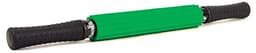
THERABAND Roller Massager+
A stick treats the calf seated, with the pressure set by your arms so you can stay off the bony shin and back off instantly. The controllable option for a sensitive area.
Price as of October 21, 2026. #ad How we’re funded
For the after-run ache
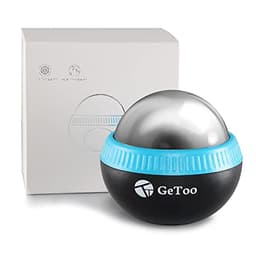
GeToo Cryosphere Cold Massage Roller Ball
Cold and gentle pressure in one pass, held for hours rather than minutes. Good on the surrounding muscle after activity, not on the bone.
Price as of October 21, 2026. #ad How we’re funded
If a stick suits you
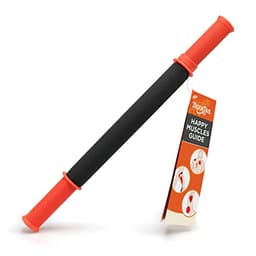
Tiger Tail 18 in Massage Stick
A smooth one-piece sleeve that will not pinch, rigid enough to apply real but controllable pressure to the calf and lower leg.
Price as of October 21, 2026. #ad How we’re funded
The part that is not a purchase
The honest center of shin-splint management is load, and no tool replaces it. That means reducing the running or jumping volume that triggered it, returning gradually rather than all at once, paying attention to surfaces and footwear, and giving the irritated tissue the time it needs. Tools ease the tight calf that contributes and make you more comfortable in the meantime; they do not shorten the underlying process the way sensible load management does. A tight calf pulling through the lower leg is worth addressing — see the calf and shin page— but the calf work is an adjunct to backing off, not a substitute for it.
“Skin rash, open wounds, blisters, local tissue inflammation, bruises, or tumors; deep vein thrombosis, osteomyelitis; bone fracture or myositis ossificans; bleeding disorders; peripheral vascular insufficiency or disease.”
Common questions
What is the best tool for shin splints?
A stick or roller used on the calf and lower-leg muscles — not on the shin bone itself. A handheld stick is the safest choice because you set the pressure with your arms and can keep it off the bony front edge where the pain is. But the tool is an adjunct: the actual fix is reducing the running or jumping load that caused the problem and returning gradually.
Can I use a massage gun on shin splints?
On the calf muscle above the shin, at a low setting, it can help loosen tightness that pulls on the area. On the shin itself, no — that is percussion over bone and inflamed attachment tissue, which is the worst case for a percussion device and is covered by manufacturer precautions about bone and inflammation. Work the muscle, not the sore bone.
How do you get rid of shin splints?
Primarily by managing load: reduce the mileage or jumping that triggered it, return gradually, watch surfaces and footwear, and let the irritated tissue settle. Easing a tight calf with a stick or roller and using cold after activity help you stay comfortable, but they are adjuncts. If the pain is sharp and pinpoint on the bone, worsens through activity, or does not settle with rest, get it assessed for a possible stress fracture.