Recovery Guides
Owning the tool is the easy part. These are the protocols — how long, how hard, where not to, and what to buy first — plus a straight answer on the two claims almost every product in this category is sold on.
Disclosure:Grip & Gait earns a commission when you buy through links on this page, at no extra cost to you. It never changes what we recommend or the order we rank things in — here is exactly how we’re funded.
Our top pick
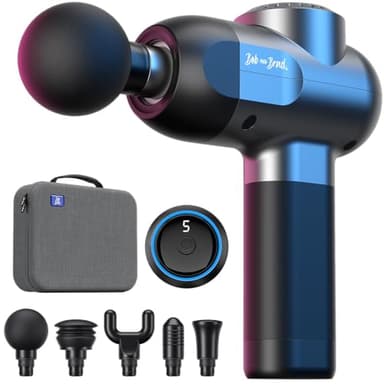
Bob and Brad C2 Massage Gun
Most of these guides assume a massage gun at some point, and this is the one we would put in your hand: it publishes amplitude, stall force, speed range and noise, weighs 1.5 lb so you can hold it against your own shoulder, and turns down far enough to follow the protocols here rather than fight them.
What these guides are for
Most of the harm people do themselves with recovery tools comes from three errors, and all three are covered here: pressing too hard, staying too long, and using them somewhere they do not belong. None of those is a product problem. All of them are fixable by reading one page first.
The other thing these pages do is separate what the tools measurably do from what they are sold as doing. That distinction runs through the whole site, and the scar tissue and fascia guideis where it gets its clearest test — because “breaks up scar tissue” and “releases fascia” are on almost every listing in this category, and neither survives much scrutiny.
The three rules that cover most of it
- Press far less than feels right. With a percussion device, roughly the weight of the device plus a little guidance — if your arm is working, you are pressing too hard, and if the motor note drops you have exceeded the stall force and it has stopped doing what it was designed to do.
- Thirty to ninety seconds, then move on. Per muscle with a gun or roller, per spot with a ball. Longer is not better, and parking the head or the ball in one place is the bruising mechanism.
- Stay off bone, joints and the front of the neck. Shins, the spine itself, the kneecap, the point of an elbow, the top of the foot, the collarbone, the throat. No attachment and no setting makes any of these acceptable.
What the evidence supports, in one paragraph
Percussive therapy reduces measured tissue stiffness and improves range of motion in the short term, and a systematic review supports gains in acute and explosive muscle strength. On soreness, a randomized controlled trial found immediate but temporary relief without accelerated recovery until 72 hours, and a comparison against foam rolling found neither reduced pain significantly more than rest.
What is not supported: faster recovery, breaking down scar tissue, releasing fascia, flushing lactic acid, or treating an injury. Every source is linked on the individual guides, and how we research sets out the standard.
Where the guides send you next
If you arrived with a specific problem rather than a tool, the guides are the wrong starting point — the symptom pages route a problem to the class of tool that fits it, including the several cases where the answer is not a purchase at all. Come back here once you know what you are holding.
Everything in Guides
Best How-To Guide
How to Use a Massage Gun
Timing per muscle, how hard to press, the areas to avoid entirely, and manufacturer contraindications quoted verbatim.
Top pick: Bob and Brad C2 Massage Gun
Best First Purchase
The Starter Recovery Kit
What to buy first, second and third if you own nothing. The order matters more than the brands, and the first two cost less than a takeaway.
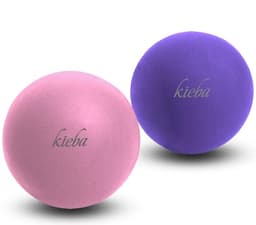
Top pick: Kieba Massage Lacrosse Balls
Price as of October 21, 2026. #ad How we’re funded
Scar Tissue and Fascia: What Tools Can and Cannot Do
The two claims every product page makes, examined. What percussion measurably does instead, and why that is still worth having.
Top pick: Bob and Brad C2 Massage Gun
Cheapest Thing Worth Trying
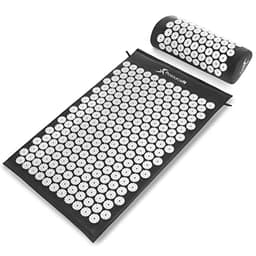
Acupressure Mats
Thin evidence, low price, and a lot of people who like them. What it does, how to start without hating it, and what to expect.
Top pick: ProsourceFit Acupressure Mat and Pillow Set
Massage Gun Before or After a Workout?
Short bursts before training, longer and gentler after. What the studies support for warm-up and soreness, and how to use it either way.
Top pick: Bob and Brad C2 Massage Gun
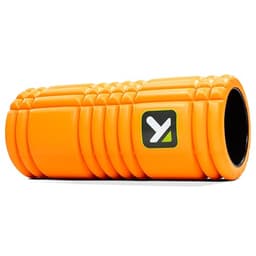
How to Foam Roll Properly
How to roll each muscle, how long to spend, how hard to press, and the mistakes that make it hurt for nothing.
Top pick: TriggerPoint GRID Foam Roller (13 in)
How Often Should You Use a Massage Gun?
Daily is fine if sessions stay short and off bone. How often per muscle, how long, and the signs you are overdoing it.
Top pick: Bob and Brad C2 Massage Gun
Are Massage Guns Worth It?
The honest cost/benefit: what the evidence supports, who a gun is worth it for, and who should buy a ball or roller instead.
Top pick: Bob and Brad C2 Massage Gun
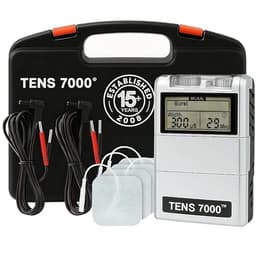
How to Use a TENS Unit
Pad placement, intensity, session length, pad care and the safety rules, including who should never use one.
Top pick: TENS 7000 Digital TENS Unit
Price as of October 21, 2026. #ad How we’re funded
Where Not to Use a Massage Gun
A no-go map rather than a warning label: eleven regions off limits, the reason each one is off limits, the tool that does belong there instead, and the conditions that rule percussion out entirely. Picks after the map.
Top pick: Kieba Massage Lacrosse Balls
Price as of October 21, 2026. #ad How we’re funded
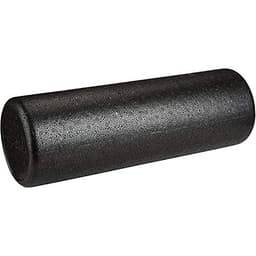
Best Runner Toolkit
Recovery Tools by Runner Problem
Achilles, IT band, shins, plantar fascia, calves and quads - each routed to the cheapest tool that addresses it, with the technique page for each and an honest note where nothing does.
Top pick: Amazon Basics High-Density Foam Roller (18 in)
Price as of October 21, 2026. #ad How we’re funded
Foam Rolling for Achilles Tendonitis
Where the roller goes, where it stops, and how long to spend - plus the roller firmness that makes a sore calf tolerable rather than something you quit after two sessions.
Top pick: TriggerPoint GRID Foam Roller (13 in)
IT Band Trigger Points
Three muscles, not one band. Where each tender point sits, how to reach it with a ball or a roller, and why grinding the outside of the thigh does so little.
Top pick: Kieba Massage Lacrosse Balls
Price as of October 21, 2026. #ad How we’re funded
Foam Rolling Shins and Calves
The calf technique in four positions, the one strip on the shin that is muscle rather than bone, and the honest state of the evidence on shin splints.
Top pick: Amazon Basics High-Density Foam Roller (18 in)
Price as of October 21, 2026. #ad How we’re funded
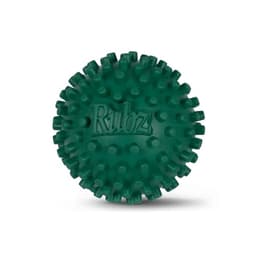
Rolling the Plantar Fascia
Where under the arch the ball goes, how much weight to put through it, and the three-tool comparison - plus the stretch with better trial evidence than anything we sell.
Top pick: Due North Foot Rubz Massage Ball
Price as of October 21, 2026. #ad How we’re funded
Recovery Tools for Soccer Players
What the UEFA injury studies say soccer actually breaks, which tool fits each problem, the compression-boot trial that found nothing, and what to buy first.
Top pick: Bob and Brad C2 Massage Gun
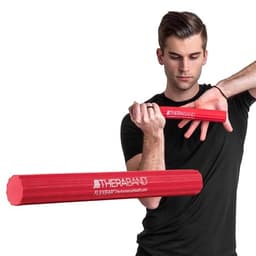
Recovery Tools for Tennis Players
What a 37-study systematic review found about where tennis players get hurt, which three prevention strategies carried numbers, and the tools worth owning for the elbow, shoulder, back and legs. With live prices.
Top pick: TheraBand FlexBar, Red (light resistance)
Price as of October 21, 2026. #ad How we’re funded
Recovery Tools for Basketball Players
What a 22-study meta-analysis found about where basketball players get hurt, why most of it is acute rather than overuse, and the three tools that earn their place for calves, quads and feet. With live prices.
Top pick: Amazon Basics High-Density Foam Roller (18 in)
Price as of October 21, 2026. #ad How we’re funded
Recovery Tools for Swimmers
Shoulder-first, evidence-first: 91.3% pain rates in adolescent swimmers, strength endurance as the key modifiable risk factor, the lat and pec work that helps, the thoracic spine nobody treats, and where a gun must not go on a shoulder. Picks after the checklist.
Top pick: Kieba Massage Lacrosse Balls
Price as of October 21, 2026. #ad How we’re funded
Where to start
- You just bought a massage gun: how to use a massage gun. Timing, pressure, attachments, and the contraindications quoted from the manufacturer’s own safety page.
- You own nothing and want to start well: the starter recovery kit. What to buy first, second and third, and why the order is not the one the advertising suggests.
- You have read “breaks up scar tissue” and wondered: scar tissue and fascia. The honest answer, and what these tools measurably do instead.
- You are curious about the cheap curiosity: acupressure mats. Thin evidence, low price, and a lot of people who like them.
Start from the problem instead
If you arrived with a symptom rather than a product in mind, these pages route the problem to the tool class that fits it — including the times the answer is not in this category at all.
Common questions
How long should you use a massage gun on one muscle?
Thirty seconds to two minutes with the head moving continuously, and a whole-body session under fifteen minutes. Longer is not better and it is the most common way people bruise themselves — there is no evidence that eight minutes on a calf achieves more than ninety seconds does.
How hard should you press?
Roughly the weight of the device plus a little guidance. The device is doing the work; your job is to hold it in contact and steer it. If the motor note drops or the stroke visibly shortens, you have exceeded the stall force. If your arm is working, you are pressing too hard.
What should I buy first for recovery?
A pair of massage balls, then a plain foam roller, then a well-specified massage gun. The first two cost less than a takeaway between them and cover most of what a body needs; the gun is third because what it adds — reach, adjustable intensity, use while seated — only matters once the cheaper tools have shown you what you actually use.
Do massage guns break up scar tissue?
We have not found evidence supporting that as literally described. Mature scar tissue is dense, organized collagen and the forces a handheld device delivers are not in the range that would mechanically disrupt it. What genuinely happens is improved local mobility, reduced sensitivity to pressure, and short-term stiffness reduction — all real, all different from the claim.
Prices and product images come from Amazon’s live data. How we research and score · How we’re funded. Canonical: https://gripandgait.com/guides