Disclosure:Grip & Gait earns a commission when you buy through links on this page, at no extra cost to you. It never changes what we recommend or the order we rank things in — here is exactly how we’re funded.
Three unrelated technologies in one aisle
These get grouped as “recovery tech” because they plug in, not because they do anything alike. Being clear about the differences is most of the value of this page.
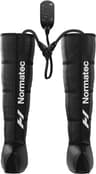
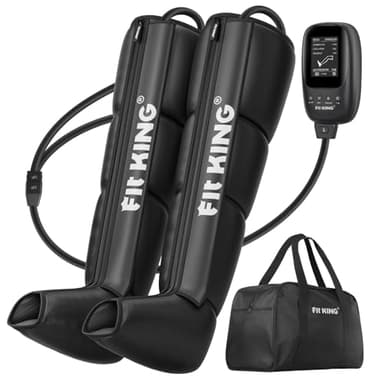
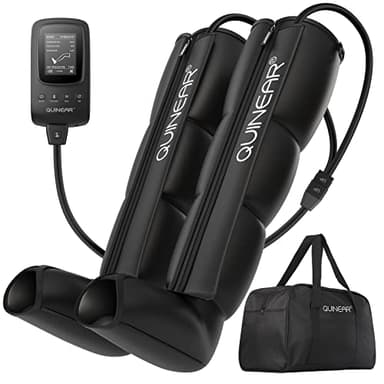
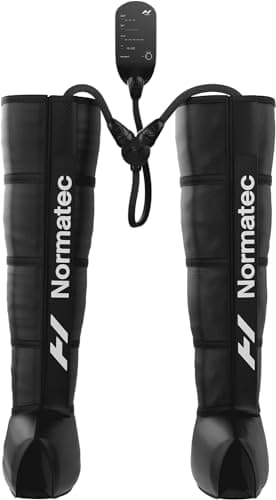
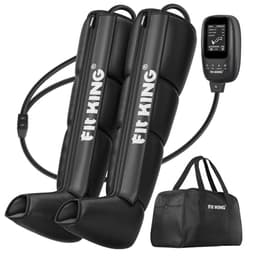
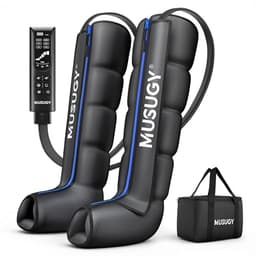
Compression boots inflate a series of chambers in sequence — ankle, then calf, then thigh — so pressure travels up the limb as a wave. That directional movement is the entire mechanism, and it is a clinical technique that long predates its marketing to runners. It is whole-limb, passive, legs-only, and expensive.
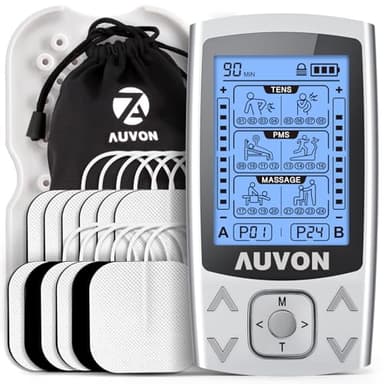
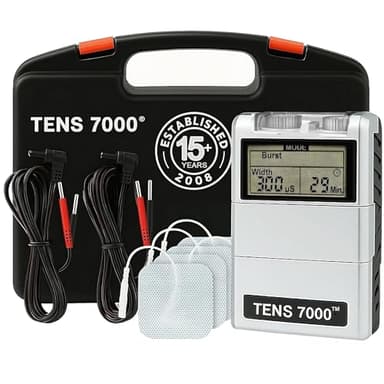
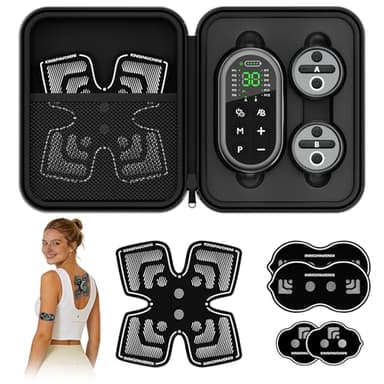
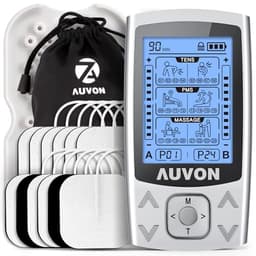
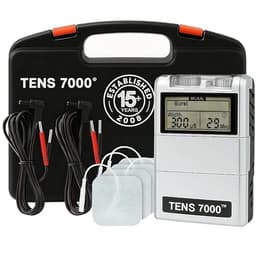
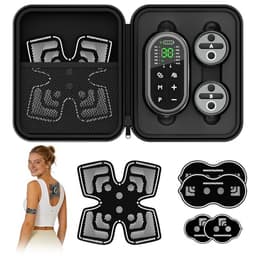
TENS sends low-voltage current through skin electrodes to stimulate sensory nerves and change how pain is perceived. It is the only tool anywhere on this site aimed at pain signaling rather than tissue mechanics — which makes it the reasonable option when an area is too tender to press on at all. It is not treating a cause.
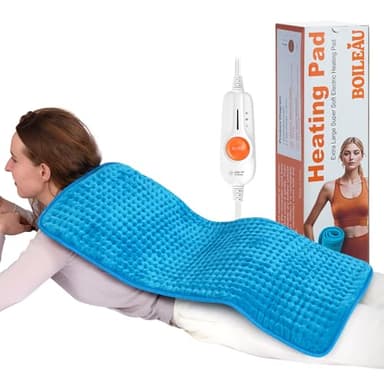
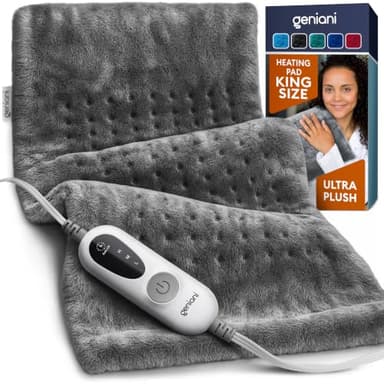
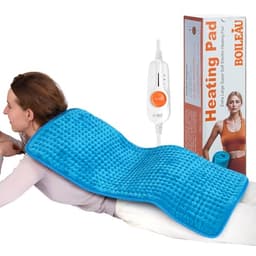
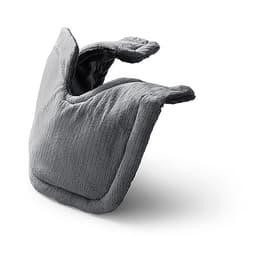
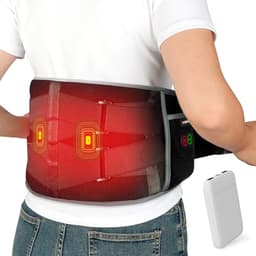
Heat raises local tissue temperature, which increases blood flow and reduces the sensation of stiffness. It is the oldest, cheapest and least glamorous thing here, it requires nothing of you but lying still, and for muscle spasm it works where percussion makes things worse.
Where we are unwilling to claim more than we know
For compression, the mechanism is not in dispute — sequential external compression moves fluid proximally. Whether it meaningfully accelerates recovery in a healthy trained person is a different and much less settled question, and we have not located a body of evidence on that specific claim that we are prepared to summarize. Rather than write “studies show” over a gap in our own reading, we flag the gap.
What is consistently reported is subjective: legs feel lighter afterward. Since heavy legs is the actual complaint most buyers have, that is not a trivial outcome. It is a smaller claim than the marketing makes, and it is one we can stand behind. Same standard as everywhere else on the site.
The specification that decides a compression purchase
Sequential inflation.Check it before anything else. A system that inflates every chamber simultaneously is squeezing your leg, not moving anything along it, and plenty of products marketed as “leg massagers” do exactly that. No number of modes compensates.
Second: does it include the foot? Many budget systems start at the calf, and the foot is where a large share of the swelling sits after a day standing. A sequential system beginning above the ankle has skipped the start of the wave.
The specification that decides a TENS purchase
Not the mode count. Twenty-four modes, thirty-two, forty — the difference between programs is pulse characteristics a microcontroller generates for nothing, and adding a mode costs a manufacturer a line of firmware.
What matters is dual independent channels, manual pulse-width and rate control rather than presets only, and standard 2 mm pin connectorsso you can buy pads from anyone. That last one is the real cost of ownership: pads lose adhesion after roughly 10–30 applications and you will keep buying them. Detail in our TENS unit guide.