Feet carry everything and get treated last. This is the one category where a five-dollar tool genuinely beats a hundred-dollar machine for a specific job — and where the best-evidenced intervention costs nothing at all.
Disclosure:Grip & Gait earns a commission when you buy through links on this page, at no extra cost to you. It never changes what we recommend or the order we rank things in — here is exactly how we’re funded.
Our top pick
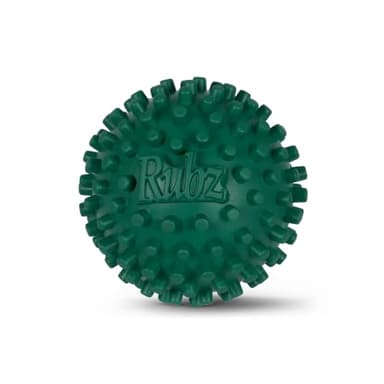
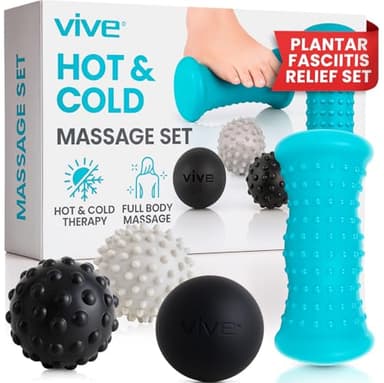
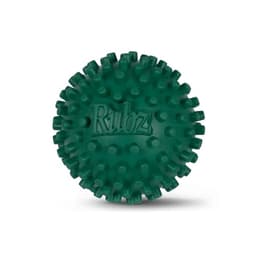
Due North Foot Rubz Massage Ball
A spiked rubber ball under a plantar fascia is hard to beat and impossible to overspend on. The spikes concentrate pressure into the fascia rather than spreading it across the sole, it works barefoot standing beside the bed — which is exactly where and when heel pain is worst — and it costs less than a coffee.
Ranked on published manufacturer specs and what they mean for the job, not on testing we have not done. Tap a row for the full reasoning. How we score.
#
Product
Best for
Score
Price
1
Due North Foot Rubz Massage Ball
Spiked, small, lives beside the bed. Beats every machine here for one specific and very common job.
“Sore feet” covers at least three separate problems and they want separate answers.
A specific structure hurts — most often the plantar fascia, with sharp heel pain on the first steps out of bed easing after a few minutes of walking. That wants concentrated pressure on the arch, which means a small ball or a contoured roller. A machine that kneads the whole sole is not aiming at it.
Your feet are generally tired from standing all day. That wants broad, comfortable input across the whole foot — which is precisely what a shiatsu machine with heat is good at, and where it earns its price.
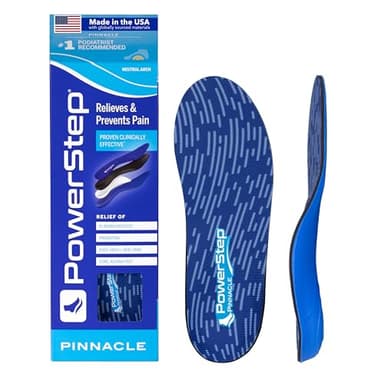
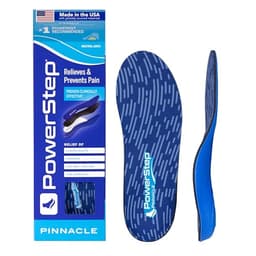
The mechanical environment is the problem. Sixteen hours a day in shoes that let the arch collapse produces load nothing you do for two minutes at night will offset. That wants an insole, and specifically a semi-rigid one — foam compresses under load, which is what foam does, so it cushions without resisting anything.
The finding that outranks everything we sell
For plantar fasciitis specifically, the published evidence favors a stretch over any product on this page. A prospective clinical trial with two-year follow-up found plantar fascia-specific stretching produced substantially better outcomes than Achilles-tendon stretching, with a marked decrease in pain and functional limitation. A double-blind randomized controlled trial found the same stretch gave the most significant improvement in function scores among the modalities compared — ahead of heat with a silicone heel pad and ahead of calf stretching.
A tight calf increases tension through the Achilles and into the heel, which means the most productive place to spend time on a heel problem is frequently the muscle above it rather than the foot itself. It is also the one place a massage gun or a foam roller genuinely helps with foot pain — on the heel itself, percussion is aimed at a superficial structure directly over bone, which is the worst case for that class of tool.
Open-top versus enclosed. The distinction nobody discusses and the one that matters most. Open-top lets you lift your foot away instantly when a node lands wrong; enclosed holds heat better. Fair trade with normal sensation, a worse one without it.
Independent heat control. Being able to run kneading without heat is not a minor convenience — see the neuropathy page for why.
A genuinely low low setting. Every listing quotes the top intensity. The number that matters is the bottom one and almost nobody publishes it.
A washable, removable cover. Mundane, and it is the difference between three years and one.
Every pick, in full
Specs are the manufacturer’s own published figures, each linked to the page it came from. Where a maker does not publish a number, the table says so and names the page we checked.
The cheapest thing on this site that genuinely competes with a $400 device for a specific job — a spiked rubber ball under a plantar fascia is hard to beat and impossible to overspend on.
What it gets right
+Spikes concentrate pressure into the fascia rather than spreading across the sole
+Small enough to keep beside the bed, which is where it needs to be
+Costs less than a coffee
What it does not
−Spikes are too sharp for some people barefoot
−Small contact area only
#2 · First shiatsu machineMid-range · Score 8.2/10
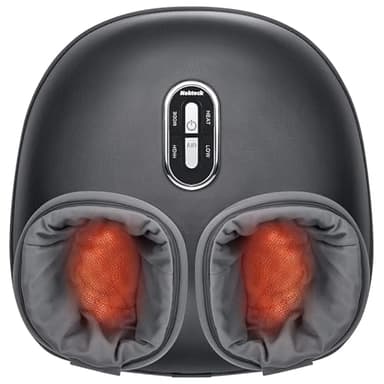
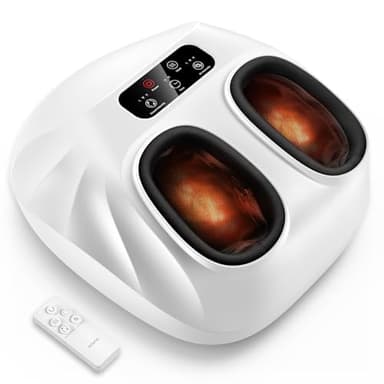
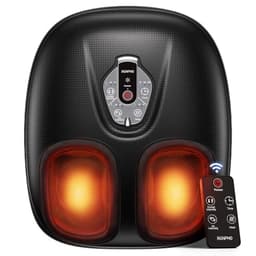
The entry point where shiatsu foot machines stop being a novelty — deep kneading nodes plus heat, in an open-top design your foot can leave instantly if a node lands wrong.
What it gets right
+Open-top design means you can lift your foot out immediately — not true of enclosed boot-style units
+Heat plus kneading, which is the combination that works on stiff morning feet
+Washable, removable cover
What it does not
−Kneading nodes are firm; there is no gentle setting worth the name
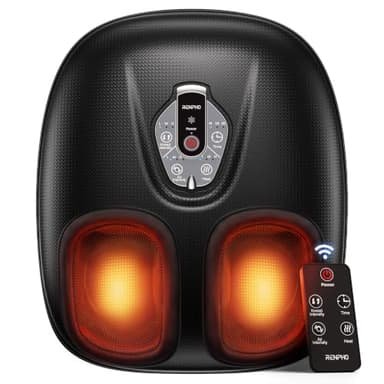
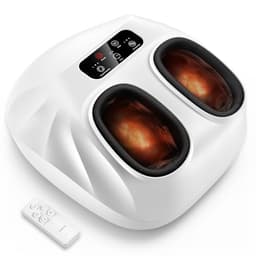
Compression plus kneading plus heat in one enclosed unit, and FSA eligible — the compression element is what separates it from a machine that only presses on the sole.
What it gets right
+Air compression works the whole foot, not only the contact points
+FSA/HSA eligible
+Enclosed design holds heat better than an open-top unit
What it does not
−Enclosed means you cannot pull your foot out instantly
−Bulky to store
#5 · Contoured, and freezableBudget · Score 8.0/10
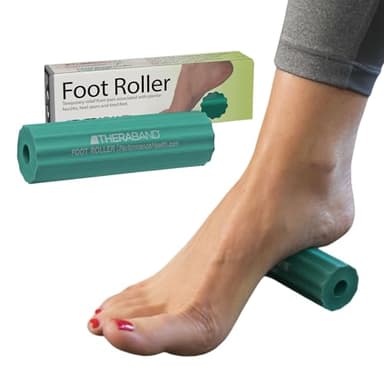
Shaped for the arch specifically rather than being a general-purpose ball, and it can be chilled — which covers both jobs a first-thing-in-the-morning heel needs.
What it gets right
+Contoured to the arch instead of a plain sphere
+Freezes, so you get cold and pressure in one pass
+Costs less than a takeaway lunch
What it does not
−Fixed shape suits some arches better than others
−Not usable anywhere but the foot
#6 · Not knowing your toleranceBudget · Score 7.7/10
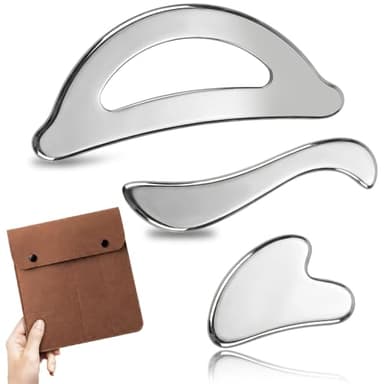
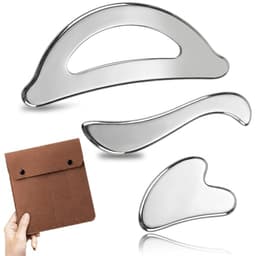
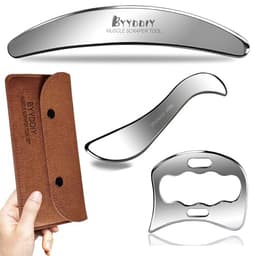
Stainless rather than the jade sold for facial use — the edge profile is the whole product, and a stone tool will not hold one against a plantar fascia.
What it gets right
+Stainless holds a consistent edge profile; stone chips
+Multiple edge radii for different structures
+Wipes clean
What it does not
−Very easy to bruise yourself with — this needs emollient and a light hand
−The evidence base for scraping is thin and we say so on the page
Adjustable intensity across a wider range than most, which is the specification that actually matters when sensation is altered and you cannot trust pain as a feedback signal.
What it gets right
+Three kneading levels and three compression intensities, so it adjusts down as well as up
+A 15 or 30 minute timer, which is the control that limits heat exposure on this machine
+FSA/HSA eligible
What it does not
−Expensive
−Large footprint — RENPHO publishes 18.5 × 16.9 × 11.8 in and 12 lb
−RENPHO does not document a way to run the kneading with the heat off
Sharp heel pain on the first steps of the morning: a spiked or contoured ball beside the bed, a semi-rigid insole, and the plantar fascia stretch. In that order, and the stretch matters most. See plantar fasciitis.
Feet ache after standing all day: a shiatsu machine with heat. This is the case where a machine genuinely beats a ball.
Pain at the back of the heel and up the tendon: that is a different problem — see Achilles and heel pain. Work the calf, not the tendon.
Reduced sensation, diabetes or neuropathy: read the neuropathy page before buying anything with a heating element, and ask the clinician managing it.
You want the mechanical fix rather than the comfort one:insoles. They work for the 16 hours you are not thinking about your feet.
Start from the problem instead
If you arrived with a symptom rather than a product in mind, these pages route the problem to the tool class that fits it — including the times the answer is not in this category at all.
It depends which problem you have. For sharp heel pain on the first steps of the morning, a spiked ball beats every machine here and costs a fraction as much. For feet that generally ache after standing all day, a shiatsu machine with heat is genuinely the right tool. Buying the machine for the first problem is the common mistake.
+Do foot massagers help plantar fasciitis?
They are comfortable and heat helps a stiff foot, but they work the sole broadly rather than the fascia specifically. A small spiked or contoured ball rolled under the arch is more targeted and far cheaper — and the plantar fascia-specific stretch has the strongest published evidence of anything on this page.
+Should I buy insoles or a foot massager?
Different jobs. An insole changes the mechanical environment for all sixteen hours you are on your feet; a massager is two comfortable minutes at the end of the day. For a structural problem like arch collapse, the insole does far more. For generally tired feet, the massager is the better experience.
+Can you use a massage gun on your feet?
On the calf above, yes and usefully. On the sole or heel, no — the plantar fascia is a superficial structure sitting directly over bone, which is the worst case for a percussion device. A ball underfoot applies more concentrated pressure anyway, because your body weight does the work instead of a motor.
+Are foot massagers safe if I have neuropathy?
That is a question for the clinician managing your neuropathy rather than a website. The core problem is that reduced sensation removes the stop signal every safety assumption in a heated, kneading machine depends on. If you do use one, prioritize independent heat control, a genuinely low low setting and auto shutoff — and inspect your feet visually after every session.