Rollers & Balls
Alternatives to a Chirp Wheel
The tool we would buy instead is a peanut ball: two spheres with a gap between them put pressure on the muscle either side of the spine while the spinous processes sit in the gap, which is exactly the idea the wheel's channel is built on, for a fraction of the money. The budget pick is a pair of lacrosse balls. What no alternative here does is the wheel's second trick - clearing the spine and arching you backwards in the same movement - so this page separates the two halves and prices each one honestly.
By Stephen V.Published
Disclosure:Grip & Gait earns a commission when you buy through links on this page, at no extra cost to you. It never changes what we recommend or the order we rank things in — here is exactly how we’re funded.
Quick picks
Ranked on published manufacturer specs and what they mean for the job, not on testing we have not done. Tap a row for the full reasoning. How we score.
| # | Product | Best for | Score | Price |
|---|---|---|---|---|
| 1 |  5BILLION Peanut Massage Ball The closest thing to the wheel's actual mechanism: two balls with a channel between them, so pressure lands on the erectors and not on the bony knobs of the spine. Works on glutes and calves too, which a wheel does not. | Best overall alternative | 8.5 | |
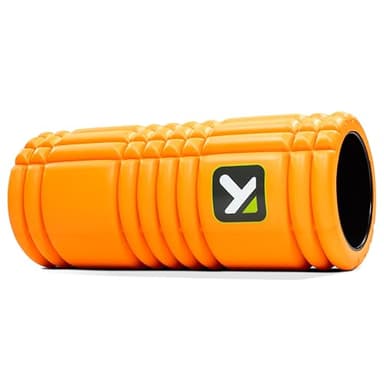
| 2 |  TriggerPoint GRID Foam Roller (13 in) For the buyer who wants the mid-back arch plus the five other jobs a wheel cannot do. Used crosswise it extends the thoracic spine; the hollow core and ridged surface are what you pay the extra for. | Best all-purpose substitute | 8.3 | $39.99 · View on Amazon Price as of November 12, 2026. #ad How we’re funded |
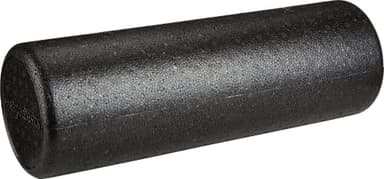
| 3 |  Amazon Basics High-Density Foam Roller (18 in) An 18-inch high-density cylinder for the price of two coffees. Nothing on this page is better value if you own no recovery tool at all, and it does the arch perfectly well. | Cheapest full-length cylinder | 8.1 | $15.29 · View on Amazon Price as of November 12, 2026. #ad How we’re funded |
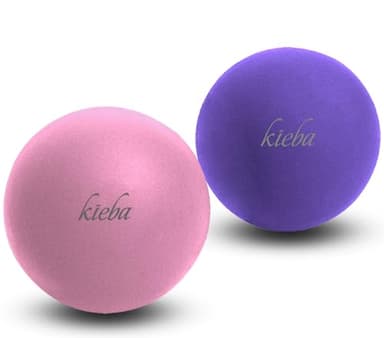
| 4 |  Kieba Massage Lacrosse Balls Two balls, one either side of the spine, against a wall. More pressure per square inch than any wheel or roller here, more aim, and the least comfort. Cheapest thing on the page by a wide margin. | Budget pick - most pressure per dollar | 7.9 | $7.99 · View on Amazon Price as of November 12, 2026. #ad How we’re funded |
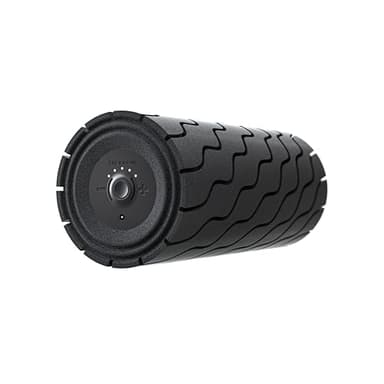
| 5 |  Therabody Wave Roller A vibrating roller with a wave-patterned surface, for someone who wants the mid-back work to feel like a treatment. Costs several times a wheel, and the vibration is a comfort feature rather than the channel. | Premium alternative | 7.6 | $179.99 · View on Amazon Price as of November 12, 2026. #ad How we’re funded |
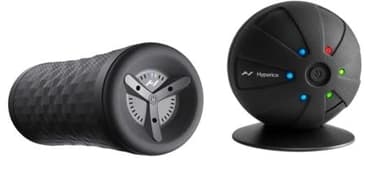
| ✕ |  Hyperice Vyper 3 Vibrating Foam Roller The best-made roller we cover and the worst value on this page: several times the price of the wheel you were pricing, for vibration rather than the channel. Buy it because you want a Hyperice roller, not as a wheel substitute. Skip this | The one to skip | 6.5 |
The short version
Buy the peanut ball. A Chirp Wheel’s whole idea is a groove down the middle that lets pressure fall on the muscle either side of your spine instead of on the bony knobs running down it — and a peanut ball is two spheres with a gap between them, which is the same geometry in a smaller, cheaper, more portable object. If you want the other half of what a wheel does, the backwards arch, a cylinder does that: the TriggerPoint GRID if you want one tool for the whole body, the Amazon Basics 18-inch if you want it for the price of two coffees. The Kieba lacrosse balls are the budget pick and the most pressure per dollar on this site.
To be clear about the thing being replaced: the channel is a genuinely good design and the reason the category exists. We recommend the Chirp Wheel outright on foam roller vs Chirp Wheel for the one buyer it suits — the person whose specific complaint is a stiff mid-back and who wants to arch over something without the spinous processes taking the load. This page is for everyone who priced one, looked at what it does, and wondered what else would do it.
What a back wheel is actually known for
Two things, and almost every “alternative” list conflates them. Separating them is the only way to shop this properly.
- The channel. A groove runs around the middle of the rim, so when you lie back on it the spinous processes — the bony knobs you can feel down your own spine — sit in the gap and the pressure lands on the erector muscles either side. That is the objection it solves. Anyone who has tried to roll their mid-back on a plain cylinder knows the feeling of a hard tube pressing straight onto bone, and it is the usual reason people stop after a week.
- The arch. Because the rim is a small-diameter circle, lying back over it extends your thoracic spine. The bigger the wheel, the deeper the arch: the 6-inch model opens you up more than the 4-inch. Sitting at a desk all day asks the thoracic spine never to extend, and extending it is what most people are really chasing.
Everything else about the product — the padded rim, the firm core, the sizes — is in service of those two. And here is the thing worth paying for: a wheel is the only object in this shop that does both at the same time. Hold on to that, because it is also the honest limit of this page.
Why people go looking for an alternative anyway
Three reasons, and all three are legitimate.
- It does one job. A wheel is awkward on a quad, poor on a calf, unpleasant on an IT band and pointless on a glute — and those are most of what people buy a recovery tool for. Paying wheel money for one body region, when a cylinder covers six, is a fair thing to question.
- Getting onto it and off it. Using a wheel means lying on the floor, supporting your head, and getting back up. For an older buyer, a pregnant buyer, or anyone with an angry lower back today, that transfer is the whole barrier. A ball against a wall needs none of it.
- Extension is not for every back. Arching backwards over a hard object is not a neutral act. If your symptoms are worse standing and better sitting or leaning forward, extension often provokes rather than relieves — the pattern typical of lumbar spinal stenosis, which we cover in heat and spinal stenosis. If pain travels down a leg, start with the sciatica page rather than any wheel.
Which alternative reproduces which half
| What you want from the wheel | Buy instead | Why it works, and what you give up |
|---|---|---|
| Pressure beside the spine without touching the spine | Peanut ball | Two balls with a channel between them - the same geometry as the groove, in a hand-sized object. You give up the arch: a peanut ball presses, it does not extend you. |
| The same thing, cheaper and more precise | Two lacrosse balls against a wall | One ball either side of the spine, standing up. Most pressure per dollar on the site and the easiest to aim at one sore spot. It is also the least comfortable and needs a bit of practice to place. |
| Arching the mid-back backwards | A foam cylinder, used crosswise | Lie across it at the shoulder blades, support your head, extend over it. Less arch than a 6-inch wheel and the cylinder does press the spinous processes, which is the trade the wheel exists to remove. |
| One tool for the mid-back and everything else | TriggerPoint GRID | Quads, calves, hamstrings, glutes, lats and the mid-back, from one object. TriggerPoint publishes 13.0 x 5.5 x 5.5 in and a hollow core stated to support up to 300 lb, with a 1-year warranty. |
| Something that feels like a treatment | Therabody Wave Roller | Vibration plus a wave-patterned surface. Pleasant, well made, and several times the price of a wheel - and the vibration is comfort, not the channel. |
| Both halves at once, in one object | Only a wheel does that | Nothing cheaper clears the spine and arches you in the same movement. If that specific combination is what you want, buy the wheel - the 4-inch if you are starting out. |
That last row is the honest limit, and it is why this page recommends the wheel to one kind of buyer rather than pretending nobody should own one. If what you want is the combination, the cylinder-versus-wheel comparison is the page that ranks both sizes and carries live prices for each.
The peanut ball, specifically, and why it is the top pick
A peanut ball is two balls fused with a waist between them. Lie on your back with the waist over your spine and the balls land on the erector spinae on each side — the long muscle columns that run either side of the vertebrae and do most of the complaining after a day at a desk. Because the contact patch is small, your bodyweight concentrates far harder than it does on a 5-inch-wide cylinder. Because the gap is there, none of that load reaches bone.
What you are giving up is the extension. A peanut ball is not a hinge: you cannot arch backwards over it the way you can over a wheel, and if your mid-back feels locked rather than sore, the arch is probably the half you wanted. The honest answer there is that a cylinder and a peanut ball together still cost less than most wheels, and between them they do both jobs better than either does alone. That is the pairing we would actually buy.
The second thing the ball buys you is reach the wheel does not have. The same object works on a glute, a calf, the side of a hip and the arch of a foot. A wheel does none of those. Lacrosse ball vs peanut ball is the head-to-head if you want to know which of the two ball shapes to start with.
What the evidence actually supports
Rolling has a better evidence base than most things in this shop, and it is narrower than the marketing. The Sports Medicine meta-analysis of foam rolling training effects on range of motion supports the range-of-motion claim. The 2024 meta-analysis of foam rolling and post-exercise soreness supports a preventive effect on soreness. The most relevant trial for this page is the 2025 randomized trial in the Journal of Sport Rehabilitation: 36 healthy adults were randomized to foam-roller massage of the thoracolumbar fascia plus an exercise program, the exercise program alone, or nothing, three days a week for four weeks. Flexibility, muscular endurance and dynamic balance improved in both active groups, and the change scores favored the group that added the rolling. Thirty-six participants is a small trial in young healthy people, so read it as supportive rather than decisive.
Two findings matter for choosing between the objects on this page. First, the randomized trial comparing three roller densities found density barely changes the outcome — so a $15 cylinder and a $40 one are not doing different things to your tissue. Second, the 2024 meta-analysis comparing static stretch training against foam rolling found the two broadly comparable for range of motion, which means every tool on this page is a convenience and a comfort rather than a unique mechanism. Nothing in that literature says a wheel-shaped roller outperforms a ball or a cylinder. The case for each shape is ergonomic: what it lets you reach, and how it feels while you reach it.
How we ranked these
- Mechanism first. A pick had to reproduce one of the wheel’s two functions, not merely be a good roller. That is why a peanut ball outranks a better-made cylinder here and would not on the foam roller roundup.
- Spine clearance is the non-negotiable. Anything that puts hard pressure directly onto the spinous processes is ranked down, because that is the exact complaint the wheel was designed around.
- Jobs per dollar. Tools that also work on glutes, quads and calves are ranked up. A wheel does one region; most of this list does six.
- Published figures where they exist. Most of this category publishes marketing copy rather than specifications. Where a maker does publish — TriggerPoint states dimensions, a core load figure and a warranty — we quote it and link the page. Where nobody publishes, the spec tables say so.
- Live price, or no rank. Every pick carries a current price from our price layer, stamped with the date it was read. The premium vibrating roller is the skip row because of what that price says next to a wheel’s, not because it is a bad object.
Which one for which person, in one line each
- You want the channel, cheaply: the peanut ball. Same geometry, tenth of the money, works on five other body parts.
- You want one tool for everything: the TriggerPoint GRID, used crosswise for the mid-back.
- You own nothing and want to spend the least: the Amazon Basics cylinder. The density trial says you are not giving up much.
- You want to work standing up, against a wall: the lacrosse balls as the budget pick. Best for one specific sore spot between the shoulder blades.
- You want the nicest object: the Wave Roller, with both eyes open about paying for vibration rather than for the groove.
- You specifically want to arch backwards with your spine in a channel: buy the wheel. Nothing here replaces that, and we are not going to pretend it does.
Where an alternative is the wrong move
If the combination of spine clearance and backwards extension is exactly what you want, buy the wheel — foam roller vs Chirp Wheel prices both sizes and says which to start with. If you want the cylinder category ranked properly, that is the best foam rollers, with the back-pain shortlist if a back is the only reason you are shopping. If you want the ball shapes compared, the massage ball roundup covers them. And if the real problem is a nerve rather than a muscle — pain that travels below the knee, or a numb patch — no roller is the answer; the heating pads for sciatica and the TENS shortlist are the better first purchase.
Every pick, in full
Specs below are the manufacturer’s own published figures, each linked to the page it came from. Where a maker does not publish a number, the table says so and names the page we checked — that absence is information too.
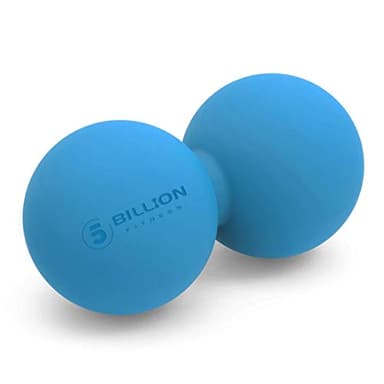
5BILLION Peanut Massage Ball
The waist between the two lobes straddles the spine, so you get pressure on the muscle either side of it and none on the bone — the specific problem a single ball cannot solve.
What it gets right
- Straddles the spine by design — the one shape that solves the paraspinal problem safely
- Works against a wall as well as on the floor
What it does not
- Too bulky for the foot arch
- The double lobe rolls awkwardly on carpet
Price as of November 12, 2026. #ad How we’re funded
TriggerPoint GRID Foam Roller (13 in)
The multi-density surface is the reason to buy this over a plain foam cylinder: the raised sections concentrate pressure in strips instead of spreading it flat, which is what makes it usable on an IT band without needing to hold your breath.
What it gets right
- Hollow rigid core does not compress into a soft log the way plain EVA foam does after a year
- Multi-density surface gives you three pressure intensities on one roller
- 13 in length fits in a gym bag; the 26 in version does not
What it does not
- Costs roughly three times a plain high-density cylinder that also works
- The hollow core makes it noisier on a hard floor
- TriggerPoint's own page states a 300 lb support figure while retailer listings widely claim 500 lb — the maker's number is the lower one
Price as of November 12, 2026. #ad How we’re funded
Amazon Basics High-Density Foam Roller (18 in)
A dense foam cylinder does the same mechanical job as a textured roller for a fraction of the money, and for a first roller that is the correct purchase.
What it gets right
- Does the actual mechanical work — sustained pressure across a broad contact area
- Nothing to break; no core, no seams, no electronics
- 18 in is long enough to lie along your spine, which the 13 in rollers are not
What it does not
- Flat surface spreads pressure rather than concentrating it
- Solid EVA softens over a few years of heavy use
Price as of November 12, 2026. #ad How we’re funded
Kieba Massage Lacrosse Balls
The highest work-per-dollar tool on this entire site. A hard rubber sphere concentrates all your body weight into one square inch, which is more pressure than any handheld gun can generate.
What it gets right
- Concentrates body weight into a single point — more local pressure than any percussion device
- Nothing to charge, nothing to break, fits in a coat pocket
- Reaches under the shoulder blade against a wall, which a roller physically cannot
What it does not
- Unforgiving — very easy to overdo on a first session
- Wrong tool for broad surfaces like quads or lats
Price as of November 12, 2026. #ad How we’re funded
Therabody Wave Roller
The wave-pattern surface plus vibration is a real combination, and it is also the most expensive way to apply pressure to a quad that exists.
What it gets right
- Wave surface works well on quads and lats
- Bluetooth-guided routines if you want them
What it does not
- Very expensive against a foam cylinder
- Heavy
Hyperice Vyper 3 Vibrating Foam Roller
Three speeds of vibration on a 34 W motor, and the honest question is whether vibration adds enough over a $13 cylinder to justify twenty times the price — for most people it does not.
What it gets right
- Published motor, weight, dimensions and battery — more transparency than Hyperice gives its guns
- Vibration genuinely reduces the discomfort of rolling, which means people actually do it
What it does not
- Twenty times the price of a foam cylinder that does the mechanical part
- 2.7 lb and a 2-hour battery — it is a device, not a lump of foam
Common questions
What is the best Chirp Wheel alternative?
A peanut ball, because it reproduces the part of the wheel that matters most: two balls with a channel between them put pressure on the muscle either side of the spine while the bony spinous processes sit in the gap. It costs a fraction of a wheel and also works on glutes, calves and feet, which a wheel does not. What it cannot do is arch you backwards — for that you want a foam cylinder used crosswise, and a cylinder plus a peanut ball together still costs less than most wheels.
Can a normal foam roller do what a Chirp Wheel does?
Half of it, well. Lie across a cylinder at the shoulder blades with your head supported and you get thoracic extension, which is the arch half. What a cylinder cannot do is keep the pressure off the spinous processes: a flat 5-inch-wide tube presses straight onto the bony knobs down the middle of your back, and that discomfort is the single most common reason people give up on mid-back rolling. The cheap fix is to put two balls either side of the spine instead, which is the whole argument of this page.
Is a back wheel bad for your spine?
Not inherently, and the channel design exists specifically to keep load off the vertebrae. The caution is about who, not what. Arching backwards over a hard object is a real extension load, and if your symptoms are worse standing and better leaning forward — the pattern typical of lumbar spinal stenosis — extension often provokes rather than relieves. Pain that travels down a leg, a weak or numb limb, or any bladder or bowel change is a reason to see a clinician rather than buy a tool. Keep a wheel to the mid-back and off the lower back and neck.
Is a cheaper back wheel just as good?
On mechanism, probably, and we cannot prove it either way because almost nobody in this category publishes specifications. The things that actually differ between wheels are rim width, channel width, foam firmness and core strength, and most listings state none of them. That is why this page recommends tools whose geometry we can describe from the object itself — two balls and a gap — or whose maker publishes real figures, as TriggerPoint does for the GRID. If you want a wheel, buy on the diameter you need rather than the brand, and start with the smaller arch.
Sources
- 1.The Effect of Myofascial Release Applied to Thoracolumbar Fascia on Flexibility, Muscular Endurance, and Balance in Healthy Young Adults: A Randomized Controlled Trial - Journal of Sport Rehabilitation 2025 (PubMed 39832508) — 36 adults, 4 weeks; rolling the thoracolumbar fascia added to exercise beat exercise alone on flexibility, endurance and balance
- 2.Foam Rolling Training Effects on Range of Motion: A Systematic Review and Meta-Analysis - Sports Medicine 2022 (PMC9474417) — the range-of-motion evidence for rolling generally
- 3.Preventive effect of foam rolling on muscle soreness after exercise: a systematic review and meta-analysis - Journal of Bodywork and Movement Therapies 2024 (PubMed 39593540) — the soreness half of the rolling literature
- 4.Comparison of Three Different Density Type Foam Rollers on Knee Range of Motion and Pressure Pain Threshold: A Randomized Controlled Trial - International Journal of Sports Physical Therapy (PMC6044602) — density barely changes the outcome - the reason a cheap cylinder is not a compromise
- 5.Static Stretch Training versus Foam Rolling Training Effects on Range of Motion: A Systematic Review and Meta-Analysis - Sports Medicine 2024 (PMC11393112) — rolling and static stretching are broadly comparable for range of motion
- 6.TriggerPoint — GRID 1.0 Foam Roller product page (13.0 × 5.5 × 5.5 in; hollow core stated to support up to 300 lb; EVA foam outer; 1-year warranty) — the only published dimensions, core load figure and warranty on this page
- 7.camelcamelcamel — Kieba lacrosse balls price history — price history for the budget pick
- 8.camelcamelcamel — TriggerPoint GRID price history — price history for the all-purpose substitute
- 9.camelcamelcamel — Amazon Basics foam roller price history — price history for the cheapest cylinder